Top 5 Markets to Visit in Nairobi: A Local Guide to Shopping, Culture and Hidden Gems
Discover the best markets in Nairobi, from the colourful Maasai Market to the bustling stalls of Gikomba. Here’s where to shop, what to buy and how to experience Kenya’s capital like a local.
Nairobi is a city of contrasts. Modern skyscrapers rise above busy streets, contemporary shopping malls stand alongside decades-old trading centres, and traditional craftsmanship continues to thrive in a rapidly changing city.
But to truly experience Nairobi, you need to venture beyond its shopping malls and safari attractions.
You need to visit its markets.
Markets are where Nairobi’s personality comes alive. The sound of traders calling out their offers, the colourful fabrics displayed along narrow walkways, the smell of fresh produce and the conversations between buyers and sellers all reveal a side of the city that many tourists never get to see.
Whether you’re searching for handmade souvenirs, fashionable second-hand clothes, traditional Kenyan crafts or an authentic local shopping experience, Nairobi has a market worth exploring.
Here are five of the best markets to visit during your trip.

1. Maasai Market – Best for Kenyan Souvenirs and Traditional Crafts
Location: Various locations around Nairobi, including Village Market, Yaya Centre and the city centre.
Best for: Souvenirs, handmade jewellery, Maasai beadwork, traditional fabrics and artwork.
If there’s one market every first-time visitor to Nairobi should experience, it’s the famous Maasai Market.
Unlike traditional markets that operate from a permanent location, the Maasai Market moves between different venues depending on the day of the week.
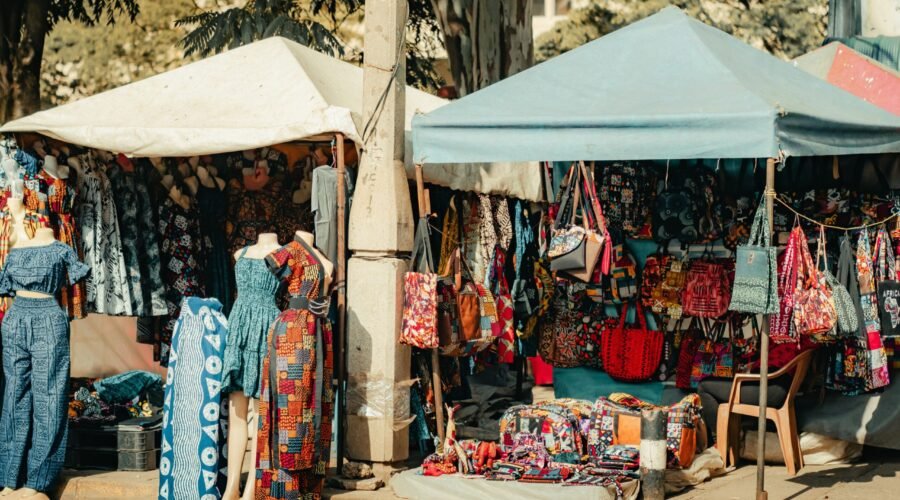
Walking through its colourful stalls feels like stepping into a gallery of Kenyan creativity. Traders display beautifully handcrafted jewellery, wooden sculptures, woven baskets, traditional Maasai blankets and artwork inspired by Kenya’s landscapes and wildlife.
One of the highlights is the opportunity to interact with the sellers. Many are passionate about their products and happy to explain the materials, designs and cultural influences behind their crafts.
What can you buy?
- Maasai beaded necklaces, bracelets and earrings
- Traditional Maasai shukas and colourful kikoys
- Hand-carved wooden animals and decorative pieces
- Woven baskets, bags and home accessories
- Paintings depicting Kenyan landscapes and wildlife
- Handmade sandals and leather accessories
Insider tip
Don’t purchase the first item you see. Walk around, compare prices and negotiate politely. Bargaining is part of the shopping culture, but remember that many vendors depend on their craft businesses for their livelihoods.
Best time to visit: Late morning or early afternoon, depending on the venue.
Welcome Nairobi recommends: The Friday Maasai Market at Village Market in Gigiri or the Sunday edition at Yaya Centre in Kilimani. Both are convenient for visitors who want to combine shopping with restaurants and other amenities.
Important: Maasai Market locations and operating days can change. Confirm the current venue before travelling.
2. Nairobi City Market – Best for Culture, Flowers and Local Crafts
Location: Muindi Mbingu Street, Nairobi Central Business District (CBD).
Best for: Traditional crafts, fresh flowers, souvenirs and a taste of historic downtown Nairobi.
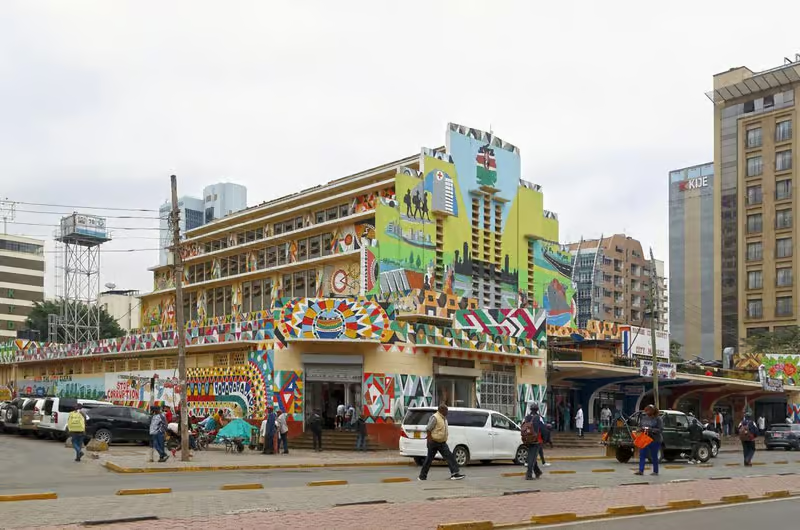
Right in the heart of Nairobi’s bustling city centre lies City Market, one of the capital’s longstanding shopping landmarks.
The market offers a different experience from modern malls. Inside and around its traditional market hall, you’ll find a mixture of everyday goods and stalls catering to visitors searching for locally inspired gifts.
City Market is particularly interesting because it combines ordinary local commerce with tourist shopping.
You might spend a few minutes admiring handmade jewellery before discovering a flower stall or a collection of beautiful African baskets.
It’s also a convenient stop if you’re exploring central Nairobi on foot.
What can you buy?
- Handcrafted jewellery and souvenirs
- Kenyan artwork and decorative carvings
- Fresh flowers
- Baskets and traditional fabrics
- Fresh food and other everyday market goods
Insider tip
Combine your visit with a walking tour of Nairobi’s CBD. Nearby landmarks include Jamia Mosque and other historic city-centre buildings.
Ask vendors before taking close-up photographs of them or their stalls.
Best time to visit: Morning to early afternoon, when shopping activity is lively.
Welcome Nairobi recommends: City Market for travellers who have limited time in Nairobi but want to experience traditional shopping without travelling far from the city centre.

3. Toi Market – Best for Affordable Fashion and Second-Hand Treasures
Location: Near Adams Arcade, off Ngong Road, along the Kibera/Kilimani corridor.
Best for: Second-hand fashion, shoes, bags and budget-friendly shopping.
Nairobi has a thriving second-hand clothing culture, commonly known as mitumba.
For visitors who love fashion, bargain hunting and discovering unusual clothing pieces, Toi Market offers a fascinating shopping experience.
The market is a maze of stalls displaying everything from casual T-shirts and denim jackets to dresses, sportswear, shoes and handbags.
Unlike conventional fashion stores, shopping here is about exploration.
You might come looking for a simple jacket and leave having discovered a unique vintage piece at a surprisingly affordable price.
Toi Market is particularly popular among Nairobi residents who enjoy finding stylish clothes without paying premium retail prices.
What can you buy?
- Second-hand clothing and vintage fashion
- Sneakers, boots and casual shoes
- Handbags and accessories
- Children’s clothes
- Household textiles and everyday essentials
Insider tip
Wear comfortable shoes and give yourself enough time to explore. The best finds aren’t always displayed near the entrance.
Examine clothing carefully for stains, damaged zippers or missing buttons before purchasing.
Best time to visit: Mid-morning on a weekday, when you can explore in daylight.
Welcome Nairobi recommends: Toi Market for adventurous shoppers, fashion lovers and travellers interested in Nairobi’s everyday lifestyle rather than conventional tourist shopping.

4. Gikomba Market – Best for Bargain Hunting and Experiencing Nairobi’s Trading Culture
Location: Kamukunji area, east of Nairobi’s Central Business District.
Best for: Second-hand clothing, shoes, textiles, household goods and local market culture.
If you want to experience the energy of Nairobi’s informal trading economy, Gikomba Market is one of the most remarkable places to visit.
Gikomba is famous for its enormous second-hand clothing trade and the sheer volume of goods changing hands every day.
It’s not a polished tourist attraction. It’s a working marketplace where traders, shoppers and small businesses come together in a fast-moving commercial environment.
The market stretches across busy trading areas filled with clothing, shoes, fabrics, household goods and other merchandise.
For visitors interested in entrepreneurship, street commerce or local fashion culture, Gikomba offers a perspective on Nairobi that shopping malls cannot replicate.
What can you buy?
- Second-hand clothing, including jackets and jeans
- Affordable footwear
- Fabrics and textiles
- Bags and accessories
- Household items and general merchandise
Insider tip
Gikomba can be crowded, noisy and difficult to navigate for first-time visitors.
Consider visiting with a trusted local guide who knows the market. Keep valuables secure, wear comfortable closed shoes and avoid carrying unnecessary belongings.
Best time to visit: Morning, before the market becomes particularly busy.
Welcome Nairobi recommends: Gikomba for experienced travellers, curious shoppers and visitors who want a deeper understanding of Nairobi’s commercial life.
This is not necessarily the easiest market for a relaxed family shopping trip, but it can be an eye-opening experience when visited with good local guidance.

5. Kariokor Market – Best for Handmade Crafts and Meeting Local Artisans
Location: Kariokor area, near Nairobi’s city centre.
Best for: Handmade jewellery, leatherwork, decorative items and authentic Kenyan craftsmanship.
While the Maasai Market attracts many tourists, Kariokor Market provides another fascinating opportunity to explore Kenya’s artisan economy.
Kariokor is known for its concentration of craftspeople and traders producing and selling locally made products.
Here, you’ll encounter an assortment of handmade items, from beaded accessories to leather products and decorative crafts.
What makes Kariokor particularly interesting is its connection to local production.
Rather than simply browsing finished souvenirs, visitors may have opportunities to learn how certain products are made and discover the people behind them.
It’s an excellent destination for anyone who appreciates craftsmanship and wants to support small Kenyan businesses.
What can you buy?
- Handmade beaded necklaces and bracelets
- Leather sandals, bags and accessories
- Decorative crafts and souvenir items
- Brass jewellery and accessories
- Kenyan-themed gifts
Insider tip
Ask traders whether products are made locally and whether they can explain the production process. These conversations can make your purchase more meaningful.
If you’re shopping for multiple gifts, compare prices across different stalls and consider buying directly from the makers.
Best time to visit: Morning to early afternoon.
Welcome Nairobi recommends: Kariokor for visitors who want locally made souvenirs and a more direct connection with Nairobi’s artisan community.
Quick Comparison: Which Nairobi Market Should You Visit?
| Market | Best for | Visitor experience |
|---|---|---|
| Maasai Market | Kenyan souvenirs and crafts | Colourful, tourist-friendly |
| City Market | Flowers, crafts and CBD sightseeing | Traditional, centrally located |
| Toi Market | Affordable and vintage fashion | Local, adventurous |
| Gikomba Market | Bargains and trading culture | Very busy, best with a guide |
| Kariokor Market | Handmade crafts and leatherwork | Artisan-focused, authentic |
Short on time? Choose Maasai Market if your priority is souvenir shopping. Visit City Market if you’re already exploring the CBD. For a more local shopping experience, consider Toi Market or Kariokor.
Essential Tips for Visiting Nairobi’s Markets
1. Carry some Kenyan shillings
Cash is useful for smaller purchases, although many traders also accept M-Pesa, Kenya’s popular mobile money payment service.
Not all vendors accept international bank cards, so don’t rely exclusively on card payments.
2. Learn the art of bargaining
Negotiating prices is common in many traditional markets. Be friendly, ask questions and compare products before deciding.
Remember that a fair deal should work for both you and the seller.
3. Dress comfortably
Wear comfortable walking shoes and choose practical clothing, particularly when visiting larger outdoor markets such as Gikomba and Toi.
4. Keep your belongings secure
Like busy marketplaces elsewhere in the world, Nairobi’s markets require awareness of your surroundings.
Use a secure bag, avoid displaying expensive valuables and consider visiting unfamiliar areas with a knowledgeable local guide.
5. Ask before taking photographs
Markets are wonderful places for photography, but remember that traders are working.
Always request permission before taking identifiable photographs of vendors or their businesses.
6. Support local businesses
Whenever possible, buy from Kenyan artisans and independent traders. Ask about the origin of the products and avoid souvenirs made from protected wildlife materials.
A small purchase can support someone’s livelihood and help preserve local craftsmanship.
Frequently Asked Questions About Nairobi Markets
Which is the best market for tourists in Nairobi?
Maasai Market is usually the best starting point for first-time tourists. It offers a wide selection of Kenyan crafts, souvenirs and traditional accessories, with convenient mall-based locations on selected days.
Where can I buy affordable clothes in Nairobi?
Toi Market and Gikomba Market are two of Nairobi’s best-known destinations for affordable second-hand clothing. Both are popular with local shoppers.
Can I use US dollars or euros at Nairobi markets?
Kenyan shillings are the most practical currency for market purchases. Exchange money or withdraw local currency before shopping rather than assuming foreign cash will be accepted.
Are Nairobi’s markets safe for tourists?
Many visitors enjoy Nairobi’s markets without problems, but conditions differ. Mall-based Maasai Markets tend to be easier for first-time visitors, while large and crowded markets such as Gikomba are better explored with local guidance.
What is the best day to visit Maasai Market?
Friday at Village Market and Sunday at Yaya Centre are two commonly advertised options. However, market schedules can change, so confirm the venue and operating times before leaving.
Final Thoughts: Discover Nairobi Beyond the Shopping Malls
Nairobi’s markets are more than places to buy things. They are spaces where creativity, culture, entrepreneurship and everyday life meet.
At Maasai Market, you’ll discover Kenya’s artistic traditions. At City Market, you’ll experience a piece of Nairobi’s commercial heritage. At Toi and Gikomba, you’ll encounter the city’s vibrant second-hand fashion economy. And at Kariokor, you’ll see the craftsmanship and entrepreneurial spirit behind locally made products.
Each market tells a different story about Nairobi.
So, on your next visit to Kenya’s capital, make time to explore beyond the familiar tourist attractions. Walk through a market, start a conversation with a trader, discover something unexpected and take home more than just a souvenir.
The best travel experiences aren’t always found in guidebooks. Sometimes, they’re waiting at a small market stall in the middle of Nairobi.
Planning your trip to Kenya? Explore more local travel guides, cultural experiences and hidden gems at WelcomeNairobi.com — your guide to discovering Nairobi beyond the ordinary.